
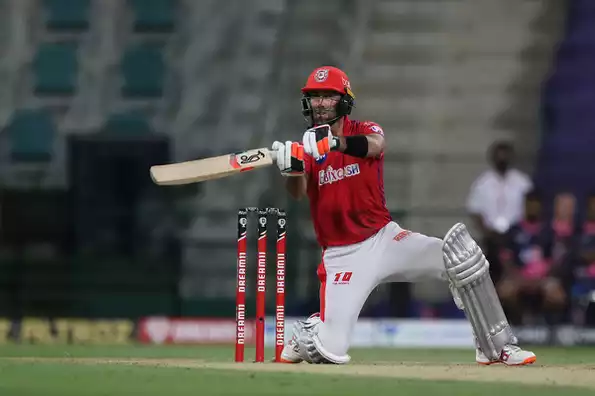
The Indian Premier League has always been about big names, surprise moves, and strategic releases. Ahead of the 2021 IPL auction, franchises made major calls by letting go of some high-profile stars, including Steve Smith, Lasith Malinga, Glenn Maxwell, and Chris Morris. These moves created ripples in the cricketing world, setting the stage for an action-packed auction in February.
While Royal Challengers Bangalore released the most players, Sunrisers Hyderabad and Kolkata Knight Riders kept their changes minimal. Rajasthan Royals made two important announcements with new leadership roles, while Delhi Capitals and RCB finalized trades. Here’s a complete look at how each franchise reshaped its squad before the auction.
Royal Challengers Bangalore
Major Releases by RCB
Royal Challengers Bangalore made the boldest move by releasing ten players, the highest by any team ahead of the auction. The exits included Aaron Finch, Chris Morris, and Moeen Ali, who were considered significant investments but failed to deliver consistently. Parthiv Patel retired while Dale Steyn opted out of the season, adding further gaps in the squad. These changes reflected RCB’s intent to reshape its lineup with a stronger long-term strategy.
New Additions in the Squad
To compensate for these departures, RCB executed an all-cash trade deal with Delhi Capitals, acquiring all-rounders Daniel Sams and Harshal Patel. Both players add much-needed versatility by contributing with bat and ball while also offering balance in the middle overs. Their inclusion provides flexibility to experiment with different team combinations. By targeting multi-skilled players, RCB showed a clear focus on building a squad that can adapt to multiple scenarios during matches.
Retained Core Players
Despite heavy cuts, the franchise retained its strongest core featuring Virat Kohli, AB de Villiers, and Yuzvendra Chahal. Adam Zampa and Kane Richardson also stayed, ensuring both spin and pace balance within the bowling unit. Young talents like Devdutt Padikkal and Mohammed Siraj offered future promise, giving the squad an excellent mix of experience and youth. The strategy appeared to revolve around stability at the top while leaving space for impactful signings in the auction.
RCB Auction Strategy
With eleven slots open, including three overseas options, RCB entered the auction with significant flexibility. Their main priority was to strengthen the top order and add reliable finishers capable of controlling tight games. The balance between domestic and international recruits was seen as a vital factor in shaping their squad. By releasing expensive underperformers, the franchise ensured a healthier budget for impactful purchases. RCB aimed to build not only for one season but for long-term success.
Sunrisers Hyderabad
Limited Changes in SRH
Sunrisers Hyderabad kept faith in their squad, releasing only five players ahead of the auction. Billy Stanlake and Fabian Allen were the notable foreign exits, both of whom played no role in the previous edition. Indian players Sanjay Yadav, B Sandeep, and Yarra Prithviraj were also let go after limited contributions. This cautious approach highlighted SRH’s confidence in its existing pool of players.
Indian Players Released
Among the Indian exits, Yarra Prithviraj had been brought in as a replacement for Bhuvneshwar Kumar but did not make a lasting impact. Sanjay Yadav and B Sandeep also failed to establish themselves in the squad, leading to their release. The decision to part ways with these players ensured better use of squad depth. The focus appeared to be on giving opportunities to consistent performers rather than carrying under-utilized names.
Strong Retained Squad
The retained core remained SRH’s biggest strength. With David Warner, Kane Williamson, and Rashid Khan forming the backbone, the team looked balanced across departments. The bowling attack, powered by Bhuvneshwar Kumar, T Natarajan, and Sandeep Sharma, stayed one of the most reliable in the league. Youngsters like Abdul Samad and Priyam Garg added energy and future potential. This stable lineup made SRH one of the most settled squads ahead of the auction.
SRH Auction Plans
With only three slots left, including one overseas, SRH entered the auction with minimal requirements. Their strategy revolved around adding backup strength rather than overhauling their squad. A middle-order finisher and additional pace support were the likely targets. By focusing on continuity, SRH ensured that team chemistry and consistency would not be disrupted. This low-risk approach reflected their reliance on an already balanced squad.
Delhi Capitals
Key Player Releases
Delhi Capitals released five players, including foreign names Alex Carey, Keemo Paul, and Sandeep Lamichhane. Indian players Tushar Deshpande and Mohit Sharma were also let go after limited contributions in the previous season. The release of Carey left Rishabh Pant as the only specialist wicketkeeper in the squad. These moves indicated a clear focus on restructuring specific roles rather than making sweeping changes.
Player Trades with RCB
In addition to releases, Delhi completed trades by sending Harshal Patel and Daniel Sams to RCB. These moves freed up valuable funds while reducing competition for playing slots within the squad. The franchise seemed determined to rely on its successful 2020 core while preparing for tactical additions during the auction. The decision also gave younger talents more opportunities to step up in key matches.
Retained Core Group
The Capitals retained almost their entire 2020 runner-up squad, ensuring stability and experience. Shreyas Iyer continued as captain alongside stars like Kagiso Rabada and Anrich Nortje in the bowling department. Marcus Stoinis and Shimron Hetmyer added firepower to the middle order. Young players like Prithvi Shaw and Rishabh Pant provided depth, making Delhi one of the most complete units even before the auction.
Auction Focus Areas
With eight slots open, including three overseas, Delhi looked to strengthen its wicketkeeping options and middle-order batting depth. The team also aimed to add another quality all-rounder to support Stoinis. While their bowling appeared well-balanced, additional backup pacers were expected. Delhi’s auction approach was more about fine-tuning a proven squad rather than building from scratch. This stability placed them in a strong position.
Kolkata Knight Riders
Minimal Releases from Squad
Kolkata Knight Riders made minimal changes, releasing just five players. Tom Banton and Chris Green were the foreign players let go, while Indian names Siddhesh Lad, Nikhil Naik, and M Siddharth were also released. Additionally, Harry Gurney and Ali Khan were dropped from the squad. These moves suggested KKR’s preference for continuity with selective changes.
Retained Strength
The retained squad remained one of KKR’s key assets. With Eoin Morgan at the helm, the team featured powerful performers like Andre Russell, Pat Cummins, and Sunil Narine. Young stars Shubman Gill and Varun Chakravarthy brought energy and balance to the lineup. The mix of experienced internationals and domestic talents ensured the team had strong foundations for the upcoming season.
Departures of Pacers
The exits of Harry Gurney and Ali Khan underlined KKR’s plan to refresh their overseas pace attack. Both players had limited opportunities in the previous season, making them expendable. By releasing them, KKR freed slots for potential replacements who could bring more reliability. The decision also reflected an emphasis on bolstering their bowling reserves during the auction.
Auction Plans for KKR
With eight slots open, including two overseas, KKR planned to strengthen their pace bowling and add backup options for the batting order. A reliable Indian pacer and a versatile overseas all-rounder were expected targets. By keeping their squad largely intact, KKR aimed to maintain team chemistry while making only necessary upgrades. This approach balanced continuity with strategic improvements.
Rajasthan Royals
Leadership Changes
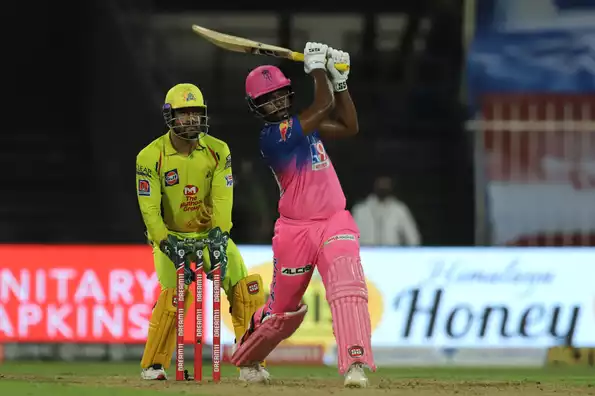
Rajasthan Royals made one of the most notable changes by releasing Steve Smith and appointing Sanju Samson as captain. This move also increased their auction purse by INR 12.5 crore, giving them more financial power. Kumar Sangakkara’s arrival as Director of Cricket added further leadership depth. These changes reflected a long-term vision to rebuild the franchise.
Released Players List
Apart from Smith, the Royals released several other names, including Tom Curran, Varun Aaron, Oshane Thomas, and Ankit Rajpoot. Domestic players like Shashank Singh and Anirudha Joshi were also let go. The decision to cut eight players opened up multiple slots, providing the Royals with greater flexibility in the auction. These moves were aimed at refreshing their squad around a younger leadership group.
Retained Core Members
The franchise retained its 17-member core, ensuring stability despite the leadership change. Ben Stokes, Jos Buttler, and Jofra Archer remained central to the team’s strategy. Young players like Riyan Parag and Yashasvi Jaiswal provided future potential. This mix of international stars and young Indian talent positioned the Royals as a team with both immediate and long-term promise.
Auction Strategy Ahead
With nine slots available, including three overseas, the Royals’ strategy was clear. Their focus was on strengthening the middle order and adding experienced Indian pacers. The extra funds from releasing Smith gave them room to make bold moves. Under new leadership, the franchise aimed to strike the right balance between youth and experience.
Kings XI Punjab
High-Profile Exits
Kings XI Punjab made headlines by releasing two of their costliest recruits, Glenn Maxwell and Sheldon Cottrell. Both players had disappointing seasons in 2020, leading to their release. Foreign players Mujeeb ur Rahman, James Neesham, and Hardus Viljoen were also dropped. These moves marked a major shift in the franchise’s approach.
Released Indian Players
KXIP also released several domestic players, including Karun Nair, Krishnappa Gowtham, Jagadeesha Suchith, and Tajinder Singh. These decisions highlighted the management’s intent to rebuild with fresh Indian talent. By cutting underperforming players, Punjab freed up valuable budget space for impactful signings during the auction.
Retained Core Stars
The retained lineup continued to feature KL Rahul as captain along with Chris Gayle, Mayank Agarwal, and Nicholas Pooran in the batting order. Mohammed Shami led the bowling attack, supported by young stars like Ravi Bishnoi and Arshdeep Singh. This combination provided a solid base on which the franchise could build.
Auction Approach
With nine slots available, including five overseas, Punjab entered the auction with one of the largest purses. Their focus was on acquiring finishing all-arounders and power hitters to complement their top-heavy batting. Strengthening pace depth was also a priority. These moves were expected to transform the franchise into a stronger contender.
Chennai Super Kings
Veteran Exits
Chennai Super Kings released six players, signaling a transition phase. Veterans like Kedar Jadhav, Harbhajan Singh, and Murali Vijay were let go after inconsistent seasons. Shane Watson retired, while Piyush Chawla and Monu Singh were also released. These moves opened the door for rejuvenating the squad with fresh faces.
Trusted Core Retained
Despite releasing experienced names, CSK retained its strong core led by MS Dhoni, Suresh Raina, and Ravindra Jadeja. Proven match-winners like Faf du Plessis and Sam Curran continued to strengthen the squad. This balance of seniority and younger talent ensured stability while preparing for new additions in the auction.
Addition through Trade
The franchise also secured Robin Uthappa in a trade deal, bolstering their batting options. His experience and adaptability across formats added value to the squad. This move highlighted CSK’s plan to combine seasoned performers with youthful energy for the upcoming campaign.
Auction Goals
With six slots remaining, including one overseas, CSK’s focus was on injecting youthful energy while maintaining experience. The team aimed to acquire young Indian players who could learn under senior stars. This mix of rebuilding and continuity defined their auction strategy.
Mumbai Indians
Foreign Pacers Released
Mumbai Indians made a bold move by releasing almost their entire foreign pace battery. Legends like Lasith Malinga, along with Mitchell McClenaghan, James Pattinson, and Nathan Coulter-Nile, were all released. This marked the end of an era while signaling a fresh start in their overseas bowling strategy.
Other Departures
Additional exits included Sherfane Rutherford, Digvijay Deshmukh, and Prince Balwant Rai Singh. These players had limited contributions and were released to free up squad slots. The decision allowed Mumbai to refresh its bench strength.
Retained Core Squad
The franchise retained its star core featuring Rohit Sharma, Jasprit Bumrah, and Hardik Pandya. Kieron Pollard and Quinton de Kock also stayed, providing experience and balance in batting and all-round departments. This core continued to be the foundation of Mumbai’s success.
Auction Roadmap
With seven slots open, including four overseas, Mumbai’s plan was to scout for young pace options to rebuild their attack. The franchise focused on calculated investments rather than big spending. Their priority was to maintain squad balance while planning for long-term dominance.
Notable Released Stars
Some of the most notable names released across franchises were:
- Steve Smith by Rajasthan Royals
- Glenn Maxwell by Kings XI Punjab
- Lasith Malinga by the Mumbai Indians
- Chris Morris by Royal Challengers Bangalore
These releases became the biggest talking points ahead of the auction and shaped strategies across teams.
FAQs
Why did RCB release Aaron Finch?
RCB released Finch due to inconsistent performances and the need to explore fresh opening options.
What was the reason behind Chris Morris’ release?
Chris Morris was released to free up budget space for impactful all-rounder replacements.
Why did Kings XI Punjab drop Glenn Maxwell?
KXIP released Maxwell after a poor season where he failed to deliver consistent batting value.
How do these releases affect the IPL 2021 auction?
These releases open opportunities for new signings, creating high competition for all-rounders and finishers.
Which players are likely to benefit from these exits?
Emerging domestic players and international all-rounders may gain attention in the auction spotlight.
Conclusion
The release of Finch, Morris, and Maxwell highlights the bold strategies franchises adopt ahead of IPL 2021. Teams are seeking balance, freeing budget space, and focusing on future impact rather than reputation. These moves set the stage for an intense auction where rising players may earn spotlight opportunities. As squads undergo transformation, the anticipation surrounding new signings and team dynamics fuels excitement for the season.
