
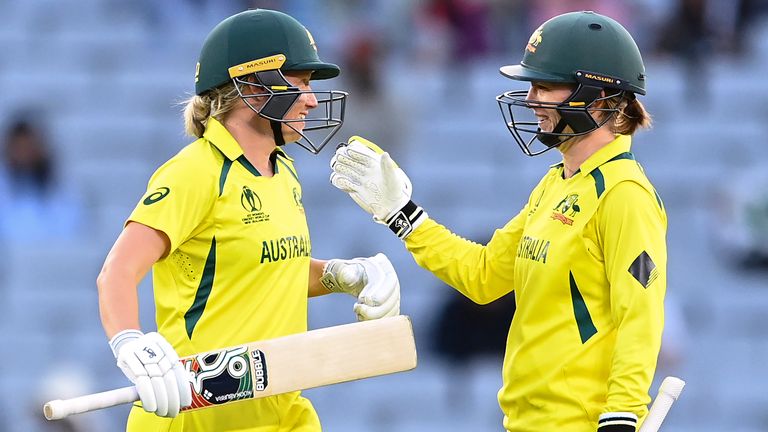
The 2017 Women’s World Cup marked a transformative moment in cricket history. With record-breaking broadcast coverage, a ten-fold increase in prize money, and groundbreaking technology like DRS, Spidercam, and drones, the tournament redefined the global perception of women’s cricket. Fans around the world witnessed thrilling performances, most notably Harmanpreet Kaur’s iconic 171* against Australia and a nail-biting final between England and India. These moments not only captivated audiences but also inspired a generation of young cricketers to pursue professional careers.
Eight years later, the 2025 Women’s World Cup is poised to take the sport even further. Hosting the tournament in India, a nation central to the growth of the game, ensures massive viewership and participation. With the rise of the WPL, professional contracts, and increased fan engagement, the upcoming World Cup promises to elevate women’s cricket to new heights.
The 2017 World Cup: A Transformative Event
Unprecedented Coverage and Reach
The 2017 tournament broke all previous records in broadcasting and global reach. Matches were televised worldwide, attracting millions of viewers. Social media amplified the excitement, creating an engaged global fan base. The visibility of women’s cricket reached new heights, marking a significant turning point in the sport.
Historic Performances
Harmanpreet Kaur, Chamari Athapaththu, and Heather Knight delivered unforgettable performances. Kaur’s 171* in the semi-final inspired young cricketers, while Athapaththu’s 178 not out showcased her emerging talent. Knight led England to victory, establishing herself as a global leader. These performances collectively transformed the perception of women’s cricket.
Audience Growth in India
India became the epicenter of viewership growth, with 126 million viewers tuning in for the final. Rural audiences contributed significantly, demonstrating that women’s cricket was now a sport for all demographics. This surge in interest fueled calls for a domestic league and increased participation at grassroots levels.
Legacy Beyond the Field
The impact of the 2017 World Cup extended beyond the tournament itself. Players returned to India to overwhelming support, signaling a cultural shift. Fans celebrated performances regardless of results, creating a deeper connection between players and audiences. This legacy set the foundation for future growth and recognition of women’s cricket.
Iconic Moments and Players
Harmanpreet Kaur’s 171*
Harmanpreet Kaur’s semi-final innings against Australia became legendary. The knock demonstrated her technical brilliance and fearless approach under pressure. It inspired millions of young girls to pursue cricket professionally. The innings is still regarded as a milestone in Indian women’s cricket.
Jemimah Rodrigues’ Inspiration
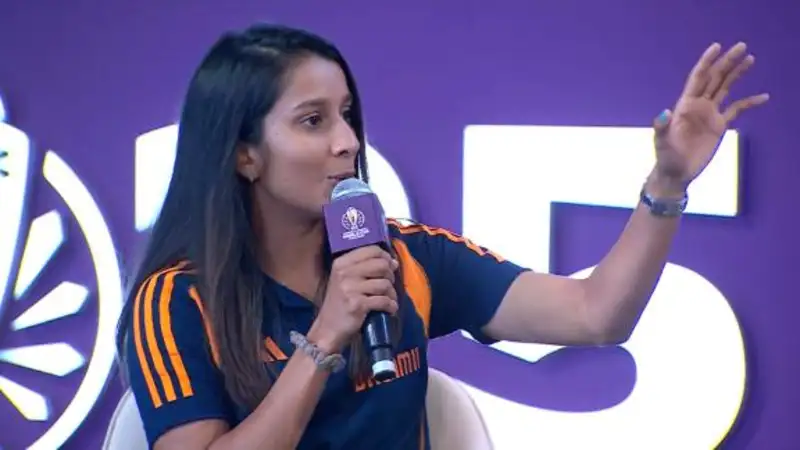
Jemimah Rodrigues recalls witnessing the Indian team’s reception at Mumbai airport in 2017. The sight of fans and media honoring the players left a lasting impression. For Rodrigues, this moment reinforced the significance of women’s cricket and inspired her journey toward the 2025 World Cup.
Mithali Raj’s Leadership
Mithali Raj highlighted how 2017 elevated global awareness for women’s cricket. The tournament demonstrated the importance of media, promotion, and competitive performances. It created new opportunities for players and ensured women’s cricket gained long-term recognition worldwide.
Chamari Athapaththu’s Breakthrough
Athapaththu’s 178 not out established her as a key player on the global stage. Her performance drew attention to Sri Lanka’s cricketing talent. It also emphasized the importance of individual brilliance in inspiring teams and fans alike.
Growth and Infrastructure

Women’s Premier League (WPL)
The WPL emerged as a direct result of 2017’s impact. The league provides professional opportunities, exposure to high-level competition, and increased visibility for players. It has become the largest women’s cricket league globally, fostering talent and inspiring aspiring cricketers.
Central Contracts and Professionalism
All eight teams received central contracts before the 2017 World Cup, ensuring players could focus solely on cricket. Professionalism improved performance levels and contributed to higher competitive standards. The contracts were a pivotal step toward gender parity in cricket.
Technological Advancements
DRS, Spidercam, and drone coverage were introduced during the 2017 tournament. These technologies enhanced the viewing experience and set a precedent for subsequent tournaments. Fans could follow the game with greater insight and excitement, increasing engagement worldwide.
Enhanced Prize Money
The ICC increased prize money tenfold to USD 2 million in 2017. England, as winners, earned USD 660,000, more than triple the total prize of the previous edition. This financial boost supported professional growth and reflected a commitment to equity in cricket.
Cultural Impact
Inspiring Young Players
The 2017 World Cup inspired millions of young girls to take up cricket. Parental support and grassroots initiatives increased significantly. Role models like Harmanpreet Kaur and Mithali Raj encouraged aspirants to pursue professional careers in cricket.
Media Influence
Social media and broadcast strategies amplified the tournament’s reach. Fans across urban and rural India engaged with matches, players, and highlights. Media coverage played a key role in sustaining interest and building a global following for women’s cricket.
Global Recognition
The tournament demonstrated that women’s cricket could attract international attention and commercial viability. Countries beyond India, including South Africa, Sri Lanka, and England, experienced increased support for female athletes. The global perception of women’s cricket shifted dramatically.
Community Engagement
Player visits, fan interactions, and school programs after the 2017 World Cup helped integrate cricket into local communities. These engagements reinforced the sport’s presence and inspired young talent to aim for professional cricket.
2025 Women’s World Cup: Expectations
Hosting in India
India, which played a critical role in 2017’s viewership, will host the 2025 edition. Stadiums, infrastructure, and media coverage are expected to surpass previous tournaments. Fans anticipate high engagement and significant international participation.
Anticipated Audience Growth
Building on 2017, the 2025 World Cup is expected to attract record-breaking viewers. Digital platforms, social media, and live broadcasts will expand reach globally. Increased rural and urban viewership will reinforce cricket’s popularity among new audiences.
Player Readiness
Players have benefited from the growth of professional leagues and training programs. Exposure to high-level competitions like the WPL ensures they enter the World Cup technically and mentally prepared. The quality of cricket is expected to reach unprecedented levels.
Technology and Broadcasting
Advanced technology will enhance the spectator experience. DRS, Spidercam, and drone usage are anticipated to evolve further. Fans will enjoy a more immersive viewing experience, increasing global engagement and interest in women’s cricket.
Legacy of 2017 on Global Cricket
Increased Participation
The 2017 World Cup catalyzed growth in female participation worldwide. More girls play cricket professionally and at the grassroots level. Countries have seen rising interest in domestic and international competitions, strengthening women’s cricket globally.
Influence on Leagues
Professional leagues such as the WPL emerged, offering competitive platforms and international exposure. Other nations are inspired to develop domestic competitions, expanding the sport’s ecosystem.
Record-Breaking Viewership
India’s contribution to viewership set new benchmarks. Rural audiences accounted for a significant portion, highlighting cricket’s widespread appeal. The trend continues to shape marketing and promotion strategies in future tournaments.
Cultural Shifts
The visibility and recognition gained by players influenced societal attitudes. Women’s cricket is no longer seen as secondary to men’s cricket. Role models encourage young girls to pursue sports careers, transforming cultural perceptions.
Preparing for the Next Leap
ICC’s Vision
ICC’s CEO emphasizes the 2025 World Cup as a springboard for women’s cricket. Growth over the past eight years has positioned the sport for its next phase. Strategic planning ensures higher standards and global visibility.
Grassroots Development
Programs targeting youth participation continue to expand. Schools, academies, and local leagues provide training and competitive opportunities. The long-term focus is to create a robust talent pipeline for international competitions.
Commercial Opportunities
Sponsorships, broadcasting deals, and league franchises are growing. Professional contracts and financial incentives ensure sustainability for players. These developments solidify women’s cricket as a commercially viable sport.
Global Fan Engagement
Social media, fan clubs, and interactive content enhance global engagement. Audiences connect with players and teams, increasing interest and loyalty. The 2025 World Cup is expected to leverage these tools for record engagement.
FAQs
What made the 2017 Women’s World Cup historic?
It featured record viewership, groundbreaking performances, and first-time DRS use, setting new standards in women’s cricket.
Why is Harmanpreet Kaur’s 171 significant?*
Her innings inspired millions of young players in India and highlighted the growing competitiveness of women’s cricket globally.
How did the 2017 World Cup impact prize money?
The ICC increased prize money tenfold to USD 2 million, promoting professionalism and gender equity in the sport.
What role does the WPL play for women’s cricket?
The Women’s Premier League provides a professional platform, exposing players to high-level competition and fostering global talent.
What can fans expect from the 2025 World Cup?
Record viewership, advanced technology, top-level competition, and a transformative milestone for women’s cricket worldwide.
Conclusion
The 2025 Women’s World Cup builds on 2017’s historic achievements, combining technology, professionalism, and global fan engagement. With enhanced broadcast coverage, WPL influence, and top-tier talent, the tournament promises thrilling cricket and wider participation. It represents the next phase of women’s cricket, inspiring players and audiences alike, while reinforcing the sport’s growth and global recognition. The 2025 edition is poised to define a new era for women’s cricket.
