
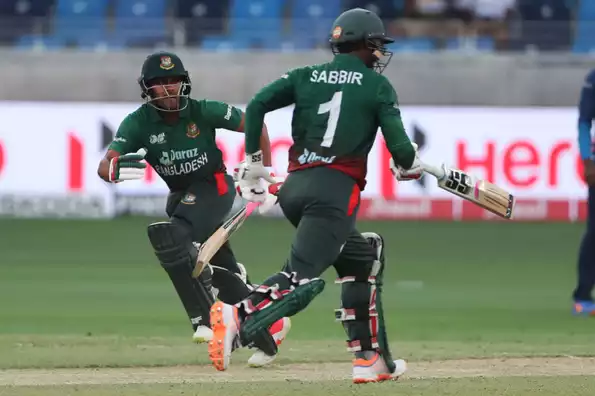
Bangladesh’s 2-0 T20I series win against the United Arab Emirates has brought a sense of relief for a team that has struggled in the shortest format in recent months. While the series victory shows glimpses of improvement, especially for the new-look T20I squad, it also highlights areas where consistency and strategy remain a concern. With the tri-series in New Zealand and the T20 World Cup approaching, the team management must address these issues quickly to build momentum and confidence.
The series against the UAE revealed uncertainties in the batting order, particularly with makeshift openers and middle-order adjustments. Additionally, the bowling attack saw mixed performances, with key pacers struggling for rhythm. Addressing these challenges will be crucial if Bangladesh hopes to compete effectively against stronger international sides.
Opening Concerns Remain
Makeshift Openers Raise Questions
Bangladesh has struggled to find a stable opening combination. Against the UAE, they opted for makeshift openers Mehidy Hasan and Sabbir Rahman. While Mehidy showed glimpses of promise, Sabbir’s inconsistency remains a headache. His scores of 0 and 12 against the UAE, coupled with poor returns earlier against Sri Lanka, cast doubt on his reliability.
Mehidy Hasan’s New Role
Mehidy’s contributions have been more encouraging. A fighting 38 against Sri Lanka followed by 46 against the UAE suggest he is eager to embrace his new role. Team management appears to back him, with captain Shakib Al Hasan indicating a preference for Mehidy at the top. Still, his ability to handle pace and bounce in New Zealand conditions will be tested.
Alternatives Left Untried
Soumya Sarkar and Nazmul Hossain, two natural top-order players, did not feature in the UAE series. This indicates that the management may already have decided on their opening pair, even if it consists of players not known as specialists in that position.
Middle-Order Adjustments
Litton Das Moved Down
One of the biggest tactical shifts in the UAE series was Litton Das moving from his usual opening slot to number three. With Shakib set to return and likely occupy that position, Litton could find himself further down the order. The decision raises concerns as his strength lies in timing and exploiting field restrictions, rather than power-hitting in the middle overs.
Afif Hossain’s Position in Doubt
Afif Hossain impressed with a match-winning unbeaten 77 in the first T20I, showcasing his calmness under pressure. However, with Shakib’s return pushing him down to number five, it remains uncertain whether he can maintain the same impact from a lower position. His adaptability will be crucial for Bangladesh’s middle-order balance.
Pressure Situations Could Shape Roles
Both Litton and Afif have shown they can thrive when the team needs stability. But the re-shuffled batting order might limit their natural strengths. Bangladesh will need clarity in their roles to avoid instability during high-pressure games.
Bowling Concerns
Mustafizur Rahman’s Struggles
Mustafizur Rahman, once Bangladesh’s most feared T20 bowler, looked far from his best in the UAE. His lack of penetration led to him being rested for the second match. The debate about his effectiveness in overseas conditions continues, and the management may be forced to rethink his role.
Mohammad Saifuddin Yet to Find Rhythm
Returning from injury, Mohammad Saifuddin had the chance to regain form against the UAE but failed to impress. He went wicketless in both matches, conceding heavily, and his yorkers lacked the sharpness that once made him a reliable death bowler. More game time could help, but his current form is a worry.
Taskin and Shoriful Provide Hope
In contrast, Taskin Ahmed and Shoriful Islam made the most of their opportunities. Shoriful, despite being left out of the T20 World Cup squad, bowled with heart, while Taskin showed promise in replacing Mustafizur. Their performances add healthy competition in the pace department and may force the selectors to reconsider their bowling combinations.
What Lies Ahead
Tri-Series as a Testing Ground
The upcoming tri-series in New Zealand will serve as a crucial testing phase for Bangladesh. Conditions there will be vastly different from those in the UAE, with fast pitches and bounce likely to expose both batting and bowling weaknesses.
Role Clarity Needed
Bangladesh’s batting order still appears unsettled, with makeshift openers and positional shuffles in the middle. The management must finalize roles quickly to avoid confusion heading into the T20 World Cup. Players like Litton and Afif need clarity to deliver their best performances.
Bowling Attack Requires Consistency
For Bangladesh to compete against stronger teams, their bowling unit must fire collectively. Mustafizur and Saifuddin rediscovering form will be crucial, while Taskin and Shoriful’s rise could bring balance if the seniors continue to struggle.
FAQs
What went well for Bangladesh in the UAE series?
The team won both matches, showing promise from Mehidy Hasan and Afif Hossain, boosting confidence ahead of future tournaments.
Why are Bangladesh’s openers a concern?
Makeshift openers like Mehidy Hasan and Sabbir Rahman struggled with consistency, raising questions about stability at the top.
How did the middle order perform?
Litton Das and Afif Hossain adapted to new positions, but role clarity is needed for consistent impact in high-pressure games.
Are Bangladesh’s bowlers performing well?
Senior pacers Mustafizur Rahman and Saifuddin struggled, while Taskin Ahmed and Shoriful Islam showed promise in filling gaps.
What must Bangladesh improve before the T20 World Cup?
They need to finalize batting roles, stabilize openers, and ensure pacers regain rhythm to compete against stronger teams.
Conclusion
Bangladesh’s clean sweep against the UAE brings confidence but also highlights key issues. The team must address opening inconsistencies, middle-order role clarity, and pacers struggling for rhythm. Success in the upcoming tri-series in New Zealand and the T20 World Cup will depend on resolving these challenges. Strengthening the batting lineup and improving bowling consistency are vital steps for Bangladesh to compete effectively against stronger international sides.
