
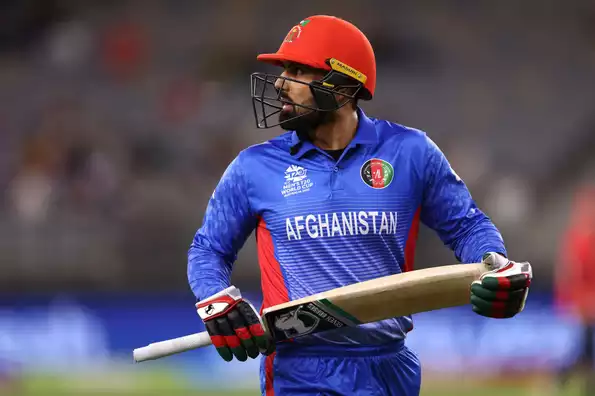
Afghanistan cricket has once again entered a phase of uncertainty following Mohammad Nabi’s resignation as T20I captain. His decision came shortly after the team’s disappointing run in the ICC T20 World Cup, where they failed to secure a single victory. The move not only surprised fans but also highlighted the long-standing challenges within the Afghanistan Cricket Board (ACB), particularly issues of selection interference and lack of captaincy authority.
For years, Afghanistan has been known for producing world-class players like Rashid Khan and Mujeeb Ur Rahman, yet the team has struggled to achieve consistent results on the global stage. Frequent changes in leadership, coupled with internal disagreements, have weakened the foundation of the squad. Nabi’s exit has once again raised questions about stability and the future of Afghan cricket.
Nabi Steps Down as T20I Captain
Disappointing World Cup Campaign
Afghanistan’s poor show in the ICC T20 World Cup left players and fans deeply disappointed. The team failed to win a single game, which exposed weaknesses in preparation and planning. Hours after the final defeat, Mohammad Nabi shocked everyone by resigning from captaincy. His decision was unexpected but highlighted the frustration within the camp. The World Cup campaign served as the breaking point for both the team and its leader.
Statement Reflecting Discontent
In his resignation note, Nabi expressed frustration at the lack of preparation and unity. He revealed that disagreements with selectors had created major obstacles for him as a captain. His words suggested that he had little authority in important decisions. Fans were surprised at how openly he criticized the system while stepping down. This statement not only ended his leadership but also exposed the cracks in Afghanistan’s cricket.
Disagreements Over Squad Selection
Nabi’s Preferred Players Ignored
One of the biggest issues was the disagreement over squad composition. Nabi wanted experienced names like Gulbadin Naib and Dawlat Zadran for balance. Instead, selectors pushed for youngsters Darwish Rasooli and Salim Safi, which Nabi opposed. His requests were ignored, leaving him frustrated and powerless in shaping his side. The lack of captain’s input on such key decisions became a defining factor in his resignation.
Last-Minute Changes
When Hazratullah Zazai suffered an injury, Gulbadin Naib eventually joined the squad as a replacement. However, by then Nabi had already made up his mind to step down. Insiders confirmed that the rejection of his earlier requests had left him disheartened. It was clear he no longer wanted to work under conditions where his voice carried little weight. The late inclusion only emphasized how little authority he truly had.
The Big Question: Who Will Lead Next?
Rashid Khan as the Front-Runner
Rashid Khan is once again the most likely choice for captaincy. His global T20 experience makes him the natural leader Afghanistan needs. However, his past issues with the board cannot be ignored. He previously resigned for the same reason—being sidelined in team selection. Unless the system changes, Rashid may hesitate to take the responsibility again.
Other Possible Candidates
Apart from Rashid, Hashmatullah Shahidi could be considered for the role. Already captain in Tests and ODIs, he may bring continuity if given T20 leadership too. Gulbadin Naib, despite a shaky past, still has leadership experience that might help. Younger players are less likely to be trusted due to the importance of T20 cricket. The choice will depend on whether ACB values stability or continues its rotation policy.
Afghanistan’s Troubled History With Captains
Frequent Changes in Leadership
Since 2019, Afghanistan has rarely stuck with one leader for long. Asghar Afghan was removed suddenly despite decent results. Gulbadin Naib, Rashid Khan, and later Nabi all came and went within short spans. This constant chopping and changing has destabilized the squad. Players often struggle to adjust to new leadership styles every year.
Split Captaincy Experiment
In 2019, ACB tried a split-captaincy model across formats. Gulbadin led ODIs, Rashid T20Is, and Rahmat Shah Tests. The idea was to distribute responsibility, but it failed quickly. After a poor World Cup, the system collapsed within months. Instead of stability, it brought confusion and a lack of direction to the team. The experiment revealed the uncertainty surrounding Afghanistan’s leadership policies.
Rashid Khan’s Leadership Struggles
Stepping Down in 2021
In 2021, Rashid shocked fans by stepping down just before the World Cup. He announced his decision hours after ACB revealed the squad without his approval. Rashid clearly felt undermined as a captain with no authority. His resignation exposed how even star players were ignored in decision-making. The move once again created instability in Afghanistan cricket.
Authority Denied
Rashid’s main complaint was that a captain deserves a voice in squad selection. Without that authority, leading a team becomes meaningless. His frustration reflected the same issues that Nabi later raised. Both captains found themselves powerless despite being senior players. This repeating cycle has made leadership one of Afghanistan’s weakest points.
Nabi’s Second Stint Ends in Disappointment
Return as a Stabilizer
When Nabi was reinstated, many expected calm and stability. His seniority and respect in the dressing room gave hope for a fresh start. With Mirwais Ashraf as ACB president, optimism grew that captains would get more say. Nabi himself likely believed that changes would improve the situation. Unfortunately, the reality turned out to be the same as before.
Persistent Problems
Despite his reputation, Nabi could not escape the problems that plagued his predecessors. Selection interference remained a constant challenge throughout his tenure. The lack of preparation before major tournaments also frustrated him. His resignation proved that even the most respected leaders cannot succeed without support. The system, rather than individuals, continues to be Afghanistan’s Achilles heel.
Impact of ACB’s Policy on Team Performance
Lack of Stability Hurts Development
Frequent captaincy changes have badly hurt Afghanistan’s growth. Players have to adapt to new ideas and strategies every few months. This inconsistency prevents the team from building long-term plans. Talented cricketers remain underutilized due to leadership chaos. Without stability, success at big tournaments will remain out of reach.
Talent Overshadowed by Chaos
Afghanistan has some of the best T20 talents in the world. Rashid Khan, Mohammad Nabi, and Mujeeb Ur Rahman are match-winners on their day. But internal conflicts overshadow their performances on the field. Poor management prevents the team from maximizing its potential. Until leadership issues are resolved, talent alone cannot secure victories.
The Road Ahead for Afghanistan Cricket
Need for Stability
Afghanistan must focus on stability in leadership if it wants to progress. A captain should be given time to build his strategies and vision. Quick changes only weaken morale and confidence in the system. The board must avoid knee-jerk reactions after every poor result. Consistency will help players trust their captain and improve performance.
Empowering the Captain
The captain’s role must come with real authority, especially in selection matters. Without it, the position is symbolic and ineffective. Empowering leaders will also strengthen accountability within the team. The ACB must learn to respect the experience and judgment of its captains. Only then can Afghanistan unlock its true cricketing potential.
FAQs
Why did Mohammad Nabi resign as Afghanistan’s T20I captain?
Nabi stepped down after a winless T20 World Cup campaign, citing poor team preparation. He also revealed conflicts with selectors over squad balance and authority.
Who is likely to replace Nabi as captain?
Rashid Khan remains the strongest candidate due to his global T20 experience. However, Hashmatullah Shahidi and Gulbadin Naib are also under consideration for the role.
What problems do Afghan captains face with the ACB?
Captains often lack influence in team selection, leaving them powerless in critical decisions. This has led to repeated frustration and resignations from senior leaders.
Has Afghanistan frequently changed captains in recent years?
Yes, Afghanistan has changed captains multiple times across all formats since 2019. This revolving-door policy has disrupted leadership continuity and weakened team stability.
How can Afghanistan cricket improve leadership stability?
The ACB must give captains real authority in selection matters and long-term backing. Only consistent leadership will allow strategies to develop and results to improve.
Conclusion
Mohammad Nabi’s resignation has exposed Afghanistan cricket’s ongoing leadership crisis. With constant captaincy changes and interference in selection, no leader has enjoyed real authority. While Rashid Khan or other names may be considered, the bigger challenge lies in creating a system that supports the captain. By empowering leaders and ensuring stability, Afghanistan can finally unlock its talent and compete consistently on the world stage.
